

You still haven’t heard of the world’s strangest psychedelic – Salvia divinorum
Somewhere in the cloud forests of Oaxaca, Mexico, grows a plant that can knock even seasoned psychonauts sideways within seconds — and yet, unlike LSD, mushrooms, or DMT, most people have never heard of it. It won’t kill you, it’s not particularly addictive, and in a lot of places you can still buy it legally. And yet it produces one of the most disorienting, reality-melting experiences known to science.
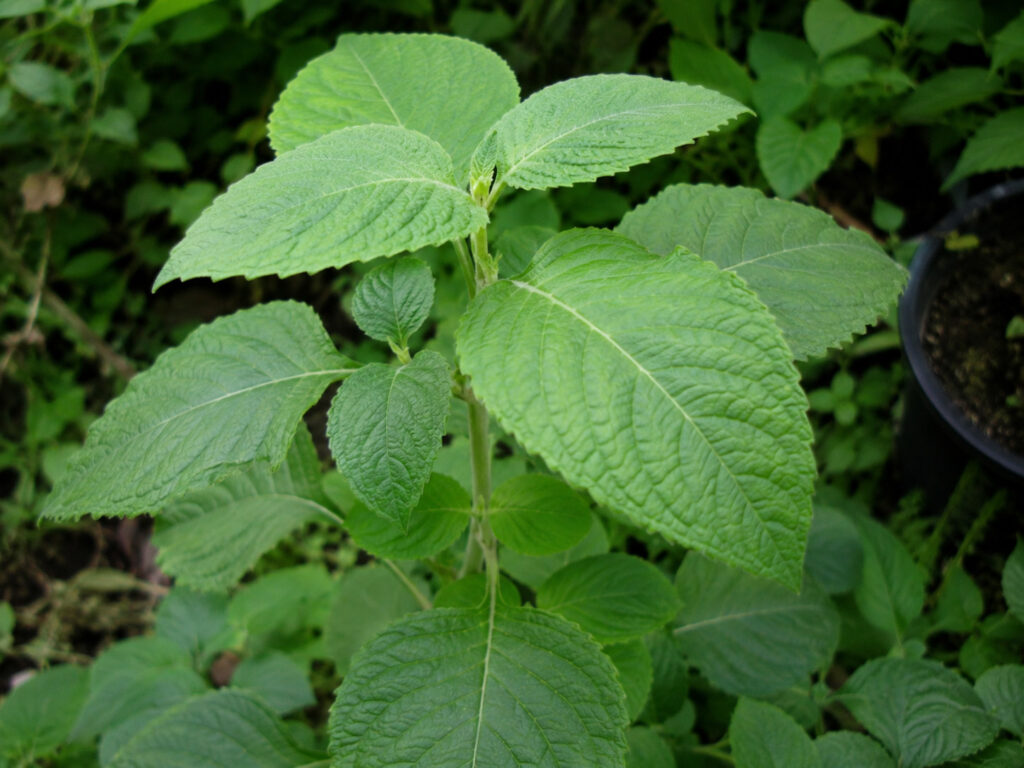
Meet Salvia divinorum: a modest, unassuming member of the mint family that hides one of the strangest psychoactive compounds on Earth.
A Sage With a Past
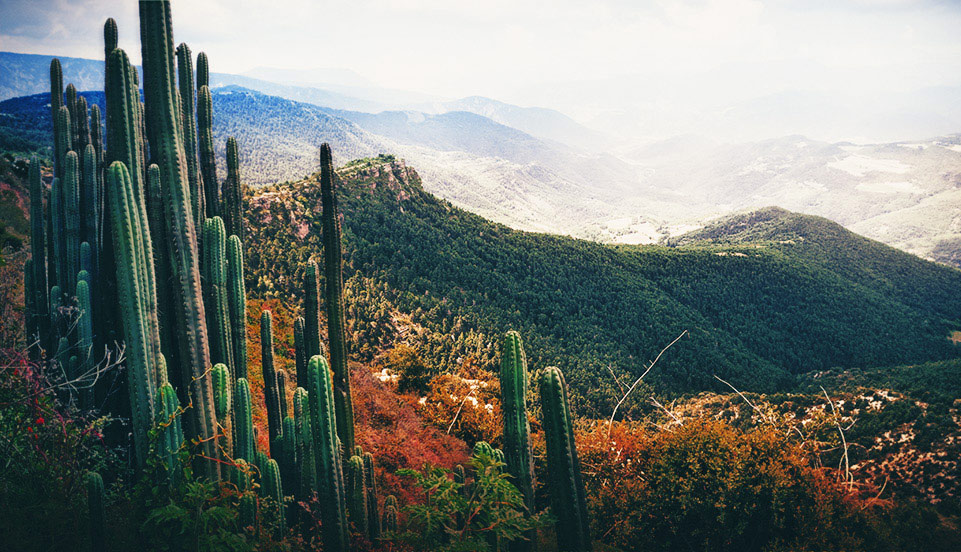
Salvia divinorum isn’t a lab creation or a festival novelty. It’s an endemic plant found almost nowhere outside a small pocket of the Sierra Mazateca mountains, where it has been used for centuries by Mazatec healers. They call it ska María Pastora — “the leaves of Mary the Shepherdess” — and traditionally chewed its leaves during nighttime healing ceremonies and divination rituals, using the visions it produced to diagnose illness or locate something lost. It was less a party drug and more a tool: a way to talk to something bigger than yourself, guided by someone who knew what they were doing.
That context matters, because a lot of what’s happened to the plant since — from head shops to vague “legal high” branding — is a pretty wild departure from something that was, for generations, treated with real care.
The Weirdest Trip in the Pharmacy
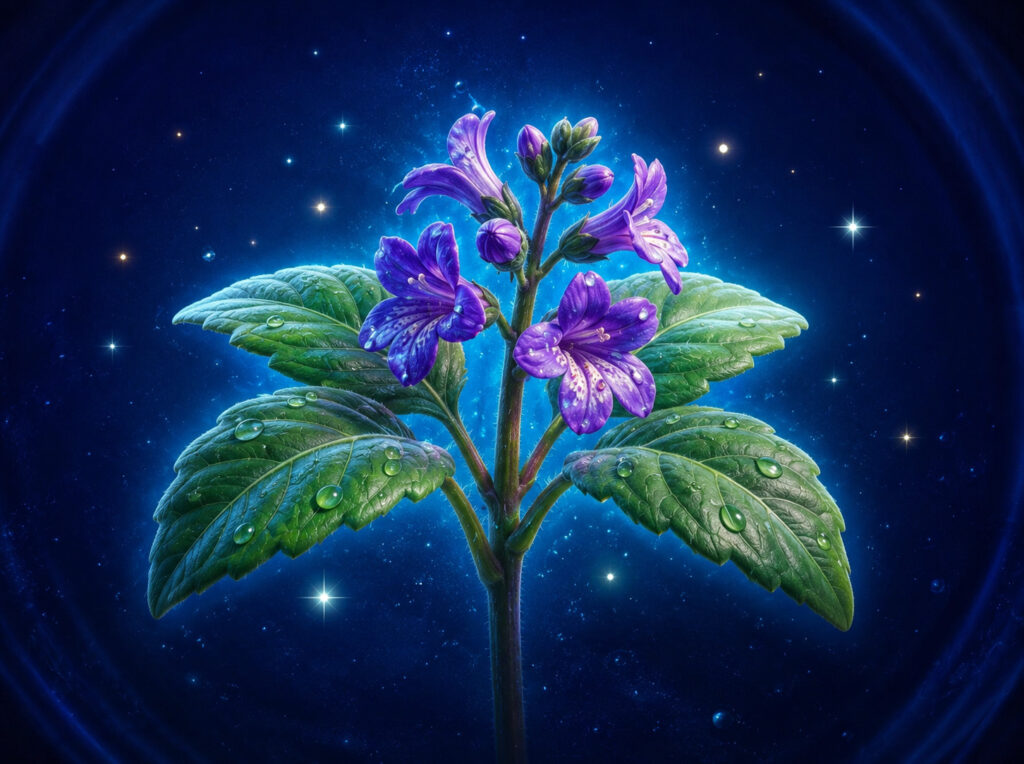
Here’s the part that gets chemists excited: Salvia divinorum doesn’t work like other psychedelics. LSD, psilocybin, DMT — they all cozy up to serotonin receptors in the brain. Salvia’s active compound, salvinorin A, ignores that pathway entirely and instead activates the kappa-opioid receptor, a completely different piece of neural real estate. It’s the only known plant-based hallucinogen that works this way, which is part of why the effect feels so unlike anything else in the psychedelic canon — closer to being teleported than to “tripping” in the classic sense.
It’s also absurdly fast. Where mushrooms take an hour to kick in and LSD can run all day, salvinorin A’s effects arrive within moments and can be gone within minutes — a full-blown warp through consciousness on an almost inconveniently tight schedule.
What People Actually Report
Descriptions of the experience tend to sound less like “colors are prettier” and more like accounts from people who briefly lost track of what a wall is. Common themes include a sense of merging with objects or surfaces, revisiting memories as if physically inside them, uncontrollable laughter, or the unsettling feeling of being “pulled” somewhere by an invisible force. Many describe a temporary and total loss of the sense that they’re a person in a room — followed, often within minutes, by relief that they’re back.
It’s usually framed as intense rather than pleasant. Where other psychedelics get associated with beauty or euphoria, this one’s reputation is closer to a jump-scare: brief, disorienting, and not something people tend to call “fun” so much as “unforgettable.”
The Legal Patchwork
Salvia’s legal status is a genuinely confusing map. It’s a controlled substance in several countries and a growing list of U.S. states, while remaining legal or unregulated elsewhere — a rare case of a powerful psychoactive plant slipping through drug-scheduling systems that were largely built around serotonin-acting substances. That inconsistency is partly a byproduct of the plant’s chemical weirdness: regulators built their playbook around LSD-like drugs, and this one doesn’t fit the profile.
Not Just a Curiosity
Here’s the twist: the same kappa-opioid pathway that makes this plant so disorienting has made it genuinely interesting to researchers. That receptor system is involved in mood regulation and pain processing, and salvinorin A has become a research tool for scientists studying potential treatments for depression, chronic pain, and addiction — a rare case of an obscure plant compound turning out to be scientifically useful precisely because of what makes it strange.
A Plant That Demands Respect
I’ll admit, the first time I read about this plant, curiosity got the better of me. But honestly — I still haven’t tried it myself, and nothing in this article should be read as an endorsement to do so.
Salvia divinorum isn’t a party drug, and it isn’t especially well understood by the systems built to regulate it. It’s a reminder that not every plant wants to be your friend — and that some of them deserve a lot more reverence than they usually get.